8 Frugal Household Essentials That Help You Save Money
There are some things you’ll find in almost every frugal household. Not because they’re fancy or trendy, but because they help make everyday life a little less expensive.
After years of trying to spend less without feeling like I’m constantly sacrificing, I’ve learned that the best money saving habits are often surprisingly simple. Sometimes it’s using something you already own instead of buying a disposable version. Sometimes it’s cooking at home. And sometimes it’s finding a small way to cut an everyday expense.
So, what are some of the frugal household essentials worth having around?
Here are eight items that can help you save money, reduce waste, and get more use out of what you already have.
They make it easier to prepare meals at home, which can help limit the temptation to grab takeout when you’re short on time. And many of these appliances can cook everything from soups and stews to appetizers, side dishes, and even desserts.
A slow cooker is especially handy for inexpensive cuts of meat, dried beans, soups, and other budget-friendly meals that benefit from a long, slow cook.
The best part? You can often throw everything together, turn it on, and let it do the work while you get on with your day.
Why keep buying something you’re going to use once and throw away?
Reusable cloth towels and napkins can replace many disposable paper products around the house. Reusable grocery bags can also help cut down on the need for single-use bags.
Of course, reusable products aren't automatically cheaper. The key is to actually use them repeatedly, which lowers the cost per use!
That’s one of my favourite frugal living principles: the cheapest option isn't always the one with the lowest price tag. It’s the one you can use again and again instead of continually replacing.
3. A Basic Repair Kit
One of the most useful frugal household essentials you can have isn't something that saves you money every time you use it. It's something that can help you avoid spending money when something breaks.
That's where a basic repair kit comes in.
You don't need a workshop full of tools or a drawer overflowing with supplies. A small box containing a few basics can handle a surprising number of little household problems.
Think:
A small sewing kit with needles and thread
Fabric patches
Safety pins
A measuring tape
A few basic screwdrivers
Pliers
Scissors
Strong tape
Super glue or household adhesive
A hammer
Spare buttons
Picture-hanging supplies
A few commonly used screws and nails
The goal isn't to become a professional repair person. It's simply to have enough on hand to deal with the little things that inevitably happen around the house.
And here's the bigger lesson I've learned from years of frugal living: not everything that is broken needs to be replaced.
4. A Clothesline or Drying Rack
A clothesline is an old fashioned money saving idea that still makes sense today.
Air drying your clothes can reduce your reliance on the dryer, and you don't need a huge backyard to do it. A compact drying rack can work well in a laundry room, bathroom, balcony, or other small space.
And yes, there’s also something pretty wonderful about the smell of laundry that has been dried outside on a sunny day.
5. Vinegar
Vinegar is one of those inexpensive household staples that can come in handy for all sorts of jobs.
White vinegar can be useful for cleaning tasks such as removing certain mineral deposits and helping to clean glass and other surfaces. It’s inexpensive, easy to get, and a good example of why you don't necessarily need a cupboard full of specialized products for every cleaning job.
Just remember that vinegar isn't appropriate for every surface, especially some natural stone surfaces, so check before using it.
6. A Bicycle
A bicycle can be more than a way to get some exercise. For short trips, it can also be an inexpensive alternative to jumping in the car.
If you have errands nearby, riding a bike can help reduce fuel use and put fewer kilometres on your vehicle.
Of course, this isn't practical for every household or every errand. But if you live somewhere that makes cycling convenient, it can be a fun way to save a little money while getting outside. And unlike driving to the gym, your transportation can double as your workout!
7. A Ceiling Fan
If you already have ceiling fans in your home, don't underestimate how useful they can be.
During warmer months, a ceiling fan can help circulate air and make a room feel more comfortable. Many ceiling fans can also be reversed in cooler weather to help circulate warm air.
Fans don't actually lower the temperature of a room the way air conditioning does, but they can help you feel more comfortable while using less energy than running your AC.
8. Reusable Straws
If you regularly use straws, reusable straws are a simple replacement for disposable ones.
They're washable and can be used over and over again, which means you aren't continually buying or throwing away single-use straws.
I also like the fact that many reusable straw sets come with a little cleaning brush, which are a must to keep them clean!
And while a reusable straw isn't going to transform your budget on its own, that's really the point of frugal living. It's often the accumulation of lots of small choices that makes the biggest difference over time.
Frugal Living Isn't About Buying More
One thing I would add to this list after years of living frugally is this: you don't need to own every “frugal” product to be good at saving money.
In fact, sometimes the most frugal thing you can do is use what you already have.
You don't need a fancy appliance, a collection of reusable products, or a house full of money saving gadgets. The goal is to find simple habits and tools that genuinely make it easier for you to spend less.
And if something you already own helps you cook at home, reuse what you have, reduce waste, or avoid an unnecessary purchase, even better!
How many of these frugal household essentials do you have? What would you add to this list?
After years of frugal living, I know there are plenty of simple household items that can help us save money without making life feel harder. I’d love to hear your favourite!
Want to give your home a fresh new look without spending a fortune? Before you head to the store, try shopping your own home!
I find that once February rolls around, or honestly, once I've had enough of the dreary winter weather, I start craving a little change. I want things to feel brighter, fresher, and a bit more cheerful.
The good news is that you probably already have plenty of things around your home that can help you create that fresh feeling. Sometimes you don't need new stuff, you just need to look at the stuff you already own a little differently.
Here are some easy ways to decorate with things you already have and give your space a refresh without spending much (or anything at all).
Table of Contents
1. Get Creative with Spray Paint
Never underestimate what a can of spray paint can do!
An old vase, picture frame, lamp base, planter, basket, or small decorative item can look completely different with a fresh coat of paint.
Choose a colour that works with your current decor, or go with a classic neutral like white, black, or a soft beige. You may be surprised by how different an old item can look after a simple makeover.
Just make sure the item and paint are compatible and use spray paint safely according to the product directions.
2. Bring the Outdoors In
Nature is one of the best, and cheapest, ways to decorate your home.
Look around your yard for interesting branches that can be arranged in a large vase. Add fresh greenery to small vases or jars, or use seasonal flowers to add a little colour to a room.
You can also use things like pinecones, interesting stones, or other natural objects as decorative accents.
A simple branch in a pretty vase can make much more of a statement than you might expect!
3. Rearrange Your Furniture
Before buying anything new, try moving your furniture around.
Move a chair from one room into another. Try your side table beside the sofa instead of the bed. Switch the direction of your furniture or create a new conversation area.
You might find that your existing furniture works perfectly in a different arrangement. And the best part? It costs absolutely nothing!
4. Shop Your House
This is one of my favourite ways to decorate on a budget.
Walk through your home and look at your belongings with fresh eyes. Could the vase in your bedroom work in the living room? Could the basket in the bathroom hold blankets? Could a piece of artwork from one room look better somewhere else?
Move decorative items between rooms and see what happens.
Sometimes something feels "old" simply because we've been looking at it in the same spot for years.
5. Get Crafty with Fabric
Have fabric scraps, old curtains, scarves, tablecloths, or clothing that you're no longer using? You might be able to turn them into simple decorative pieces.
Use fabric to make a table runner, pillow cover, placemats, bunting, or even a small piece of wall art.
You don't need to be an expert sewer, either. There are plenty of simple projects that require very little fabric or sewing. Fabric glue might even work!
6. Give Your Picture Frames a New Job
Have a collection of picture frames sitting around that aren't being used? Put them to work!
Frame family photos, children's artwork, scrapbook paper, pretty fabric scraps, postcards, calendars, or even pages from an old book.
You can also group several frames together to create an inexpensive gallery wall.
Don't worry if the frames don't match perfectly. A collection of different frames can actually make a display feel more interesting.
7. Use Old Things in New Ways
One of the easiest ways to decorate without spending money is to stop thinking about things only for their original purpose.
An old mason jar can become a vase, bathroom storage container, or pencil holder. A wooden crate can hold magazines, blankets, or toys. A pretty bowl can become a catch-all for keys and other little items. An old tray can organize perfumes, candles, or coffee supplies.
Look at what you already own and ask yourself: "What else could I use this for?"
8. Decorate with Books
Books can be beautiful decor all on their own.
Stack a few books on a coffee table or side table and place a vase, candle, or small decorative object on top. You can also use books to add height to displays or create little groupings on shelves.
If you have old books that are no longer useful to you, there are plenty of creative craft projects you can make with them, too.
9. Display Your Kids' Artwork
Kids create an endless supply of free artwork!
Instead of putting everything on the fridge, choose a few favourite pieces and display them around your home. Frame artwork, create a rotating gallery wall, hang drawings from clips, or turn colourful pieces into homemade banners. You could even laminate particularly sturdy artwork and use it as placemats.
It's inexpensive decor, and much more meaningful than something you picked up at a store.
10. Rearrange Your Shelves
Sometimes your shelves don't need new decor. They just need a new arrangement.
Take everything off a bookshelf, hutch, or display shelf and start from scratch. Group similar items together, mix different heights, add books for dimension, and leave some empty space.
You'll be amazed at how different the same collection of objects can look when rearranged.
11. Make a New Gallery Wall
Take a look through the artwork, prints, calendars, postcards, children's artwork, and photographs you already have.
Choose a collection that works together and create a new gallery wall. You don't necessarily need matching frames. In fact, mixing frames can give the display more personality.
And if you already have a gallery wall, try rearranging the pieces into a completely different configuration.
12. Switch Out Your Textiles
You don't need to buy an entirely new set of decor to make a room feel different.
Move throw blankets and pillows between rooms. Bring out a tablecloth you haven't used in a while. Fold a colourful blanket over the arm of a chair.
Even small changes to textiles can make a room feel refreshed.
13. Create a Decorative Tray
Do you have an unused serving tray hiding in a cupboard? Pull it out and turn it into a little decorative display.
Add a candle, vase, small plant, favourite book, or another decorative item you already own.
Trays are especially useful because they make a collection of random objects look intentional and organized.
14. Make a Simple Centrepiece
You don't need an expensive floral arrangement to create a pretty table centrepiece.
Try filling a bowl with pinecones, fruit, ornaments, or other seasonal items you already have. A vase filled with branches can also make a beautiful centrepiece. Even a few candles grouped together on a tray can create a simple focal point.
15. Move Your Decor Around Seasonally
One of my favourite ways to make my home feel different without buying anything is to rotate what I already own.
Pack away some of your decor for a few months and bring out things you've forgotten about.
When you see those pieces again, they can feel almost new!
You don't need a huge collection of seasonal decor, either. Simply rotating pillows, blankets, artwork, vases, and small decorative pieces can make a big difference.
Before You Buy Anything, Shop Your Home
The next time you feel like your home needs a refresh, resist the urge to immediately start shopping.
Instead, take a walk through your house.
Open the cupboards. Look in storage bins. Check the basement. Look at your bookshelves and closets. You might already have everything you need to create the change you're craving.
Decorating doesn't always mean buying something new. Sometimes the best way to refresh your home is simply to use what you already have in a new way.
And if you're trying to save money, that's a pretty great decorating strategy!
How do you decorate your home on a budget? Do you have a favourite way to refresh a room without buying anything new?
Yeah, yeah... I'm sure you've heard it before: Use your local library to borrow books instead of buying new ones.
And while your library is definitely a great place to get your reading fix without spending a fortune, there's so much more to your local library than shelves full of books!
If you're looking for easy ways to save money, your library may be one of the most underused resources in your community. Many libraries offer free access to entertainment, educational programs, digital resources, and activities for the whole family. All included with your library card!
Here are 9 unique ways the library can save you money:
1. Borrow DVDs and CDs
Before you spend money on a movie or music album, check your local library's collection.
Many libraries have an impressive selection of DVDs, including popular movies, classic films, documentaries, and TV series. Some also offer CDs and other types of media.
While you can often find movies and music for relatively little money these days, borrowing them for free can save you money over time. Especially if your family enjoys watching movies together.
And if you only plan to watch something once, why buy it?
2. Borrow Audiobooks for Free
Love audiobooks like me? Your library card may give you access to a huge selection without the monthly subscription fee.
Many libraries offer downloadable audiobooks through apps such as Libby, allowing you to borrow titles and listen right from your phone or tablet.
This can be a great way to enjoy audiobooks without paying for a separate audiobook subscription. You can listen while you're walking, driving, cleaning the house, or doing other everyday tasks.
If you haven't explored your library's digital audiobook collection yet, it's definitely worth checking out!
3. Download Free eBooks
If you enjoy reading eBooks, your library may be able to save you money here, too.
Many libraries offer thousands of eBooks that you can borrow and read on your phone, tablet, eReader, or computer. You may be able to access them through your library's website or an app such as Libby.
Instead of buying an eBook every time you want something new to read, check your library first. You might be surprised by how many popular titles and new releases are available.
4. Read Digital Magazines for Free
Magazine subscriptions can really add up, but your library card may give you free access to digital magazines.
Depending on your local library system, you may be able to read popular magazines from your phone, tablet, or computer without paying for an individual subscription.
Check your library's website to see which digital magazines are available and how to access them.
This is an especially great way to save money if you regularly subscribe to several magazines.
5. Take Advantage of Free Kids' Programs
If you have kids, your local library can be an incredible resource for free family activities.
Many libraries offer storytimes, sing-alongs, craft programs, reading clubs, and seasonal activities for children. Some also run summer reading programs that encourage kids to keep reading while school is out.
My daughters regularly attended story time when they were younger and loved listening to stories and joining in with the songs.
These programs are a great way to keep kids entertained and engaged without spending money on expensive classes or activities.
6. Find Free Things to Do With the Family
Looking for something to do on a weekend or a rainy afternoon? Check your library's event calendar before spending money on entertainment.
When I was browsing our library's website, I was surprised by all of the free activities they offered. There was a scavenger hunt, a quilting circle, a little mermaids academy, escape rooms, a mahjong group and so much more.
Your library may offer everything from craft nights and board game sessions to guest speakers, workshops, and family events.
The programs available will vary from one library to another, so take a few minutes to browse your local library's calendar. You may discover a whole list of free things to do!
7. Borrow More Than Books
One of the best ways to save money with your library is to find out what you can borrow besides books.
Depending on where you live, libraries may lend out things like:
Board games and puzzles
Video games
Museum or attraction passes
Educational kits
Technology and electronics
Tools or household items
Seed libraries and gardening resources
Cooking equipment
Sports and recreation equipment
Not every library offers these items, but it's worth checking. You may be able to borrow something you need instead of buying it for a one-time project or occasional use.
8. Get Free Access to Online Learning
Want to learn a new skill without paying for an expensive course?
Your library may offer free access to online learning platforms, educational databases, language-learning resources, computer courses, and more.
Whether you're interested in learning a new language, improving your computer skills, researching your family history, or picking up a new hobby, check to see what resources are available through your library card.
You may already have access to resources that would otherwise cost you a monthly subscription or course fee.
9. Use the Library as Your Free Meeting Place
Sometimes saving money isn't about finding a cheaper version of something, it's about finding a free alternative altogether!
Instead of meeting a friend at a coffee shop, consider meeting at the library. Rather than paying for entertainment every time you want to get out of the house, see what's happening at your local branch. Maybe there's an event that would be interesting to you both! Or, our library offers free use of a 3D printer, Cricut, sewing machines, sound booth and more. Maybe yours does too?
Libraries can be a great place to read, study, work, browse, attend events, or simply get out of the house without spending money.
Your Library Card Could Be One of Your Best Money-Saving Tools
As you can see, your library is about so much more than borrowing books!
If you're trying to save money, reduce your entertainment expenses, or find more free activities for your family, your library card could be one of the most valuable cards in your wallet.
Take a few minutes to visit your library's website or stop by your local branch and see what's available. You will probably discover free resources and services you didn't even know existed.
How often do you use your library? What is the most unusual or surprising thing you've been able to borrow or do for free through your library?
How to Cut Household Expenses Without Feeling Deprived
If your budget feels tighter than usual, you're not alone. Rising prices on groceries, utilities, and everyday essentials have made it more challenging for many families to make ends meet. The good news is that learning how to cut household expenses doesn't have to mean sacrificing everything you enjoy.
In fact, many households spend money each month on subscriptions they no longer use, services they could downgrade, or habits that quietly drain their budget without adding much value. By taking just a few minutes to review your regular expenses, you may be surprised by how much you can save.
These simple money-saving ideas take about 15 minutes or less to complete and can help you lower your monthly bills without making major lifestyle changes. Whether you're trying to stop living paycheck to paycheck, build an emergency fund, or simply create more breathing room in your budget, these practical tips can help you keep more of your hard-earned money.
Turn Off Unused Electronics
One of the quickest ways to cut household expenses is to reduce your electricity usage. Take 15 minutes to walk through your home and turn off lights, TVs, gaming systems, computers, and other electronics that aren't being used. Unplug chargers and small appliances that draw power even when they're turned off, or plug them into a power bar that can be switched off easily.
These small changes can help lower your monthly utility bills and even keep your home a little cooler during the summer months.
Wash Laundry in Cold Water
A simple way to cut household expenses is to switch your washing machine to the cold water setting. Most modern laundry detergents are designed to work effectively in cold water, so your everyday clothes will still come out fresh and clean without using extra energy to heat the water.
Using cold water can also help your clothes last longer by reducing fading, shrinking, and wear on fabrics. That's a win for both your budget and your wardrobe. As an added bonus, hang dry your clothes as often as possible.
Clip (or Download) Coupons for Items You Already Buy
Coupons are still one of the easiest ways to save money, but you don't have to spend hours searching for them. Check your favourite grocery store apps, loyalty programs, and digital coupon websites, or browse the weekly flyers for products you regularly purchase.
The key is to only use coupons for items you were already planning to buy. Saving a few dollars on each shopping trip can easily add up to hundreds of dollars over the course of a year.
Check Your Cell Phone Plan
Your cell phone bill is one of those monthly expenses that's easy to forget about, especially if you've been on the same plan for years. Take 15 minutes to log into your account and review how much data, talk time, and other features you actually use each month. You may discover you're paying for far more than you need.
Many providers regularly introduce new plans that offer more value for less money, but existing customers don't always get switched automatically. It's also worth calling your provider to ask about current promotions, loyalty discounts, or lower-priced plans that may be available.
If you're comfortable shopping around, compare offers from other carriers as well. Even saving $10 to $20 per month can add up to hundreds of dollars each year, making this one of the easiest ways to cut household expenses without changing your daily routine.
Negotiate a Lower Credit Card Interest Rate
If you carry a credit card balance, a quick phone call could save you money every month. Many credit card companies are willing to lower your interest rate, especially if you've consistently made your payments on time.
Explain that you're reviewing your finances and ask whether they can offer a lower rate. If necessary, mention that you're considering transferring your balance to another provider. Even a small reduction in your interest rate can make a noticeable difference over time.
Review Your Internet and Streaming Services
Internet, cable, and streaming services are some of the easiest monthly expenses to reduce. Contact your provider and ask whether there are any current promotions, loyalty discounts, or lower-priced plans available.
If you're paying for multiple streaming services, consider cancelling the ones you rarely use or rotating subscriptions throughout the year. Reviewing these recurring charges is one of the simplest ways to reduce monthly bills without making a major lifestyle change.
Meal Plan Every Week
Meal planning is one of the most effective ways to cut household expenses. Taking just 15 minutes each week to plan your meals and create a grocery list helps reduce impulse purchases, minimizes food waste, and makes it much easier to avoid expensive takeout.
Before heading to the store, check what you already have in your pantry, fridge, and freezer so you can build meals around ingredients you already own.
Use Up Pantry and Freezer Food
Before heading to the grocery store, take a few minutes to look through your pantry, fridge, and freezer. Chances are you already have enough ingredients to make several meals without buying much at all. Building your meal plan around foods you already own is one of the simplest ways to cut household expenses and reduce food waste.
Challenge yourself to have a "shop your own kitchen first" week, where you create meals using forgotten pantry staples, frozen vegetables, leftover meat, or canned goods. You may be surprised by how many delicious meals you can make without a full grocery trip.
Not only will this help lower your grocery bill, but it also prevents perfectly good food from expiring and ending up in the garbage. Making a habit of using what you already have before restocking is an easy money-saving strategy that can make a noticeable difference in your monthly food budget.
Make a List of Free Local Activities
Entertainment doesn't have to be expensive. Spend a few minutes creating a list of free activities in your community. Ask friends for recommendations, browse local Facebook groups, or check your city's events calendar.
Parks, hiking trails, splash pads, community festivals, farmers' markets, museums, and library events often provide hours of entertainment at little or no cost. Having a ready-made list makes it easier to choose affordable outings when you're looking for something fun to do.
Make the Most of Your Library Card
Your library card is one of the best free money-saving tools you can have. Today's libraries offer so much more than shelves of books. Many provide free access to eBooks, audiobooks, magazines, movies, music, children's programs, workshops, online learning, and more.
Instead of buying books, paying for magazine subscriptions, or renting movies, see what your local library has available first. Making regular use of your library is an easy way to cut household expenses while still enjoying plenty of entertainment and learning opportunities for the whole family.
Final Thoughts
Learning how to cut household expenses doesn't require a complete lifestyle overhaul. In fact, many of the best money-saving habits take just a few minutes to put into action.
Whether you're lowering your utility bills, meal planning, reviewing monthly subscriptions, or borrowing books instead of buying them, these simple changes can add up to significant savings over time. Start with one or two tips today, then build from there. Every dollar you save helps create more breathing room in your budget.
What's your favourite way to reduce household expenses? Share your best money-saving tip in the comments below. I always love discovering new ideas from readers!
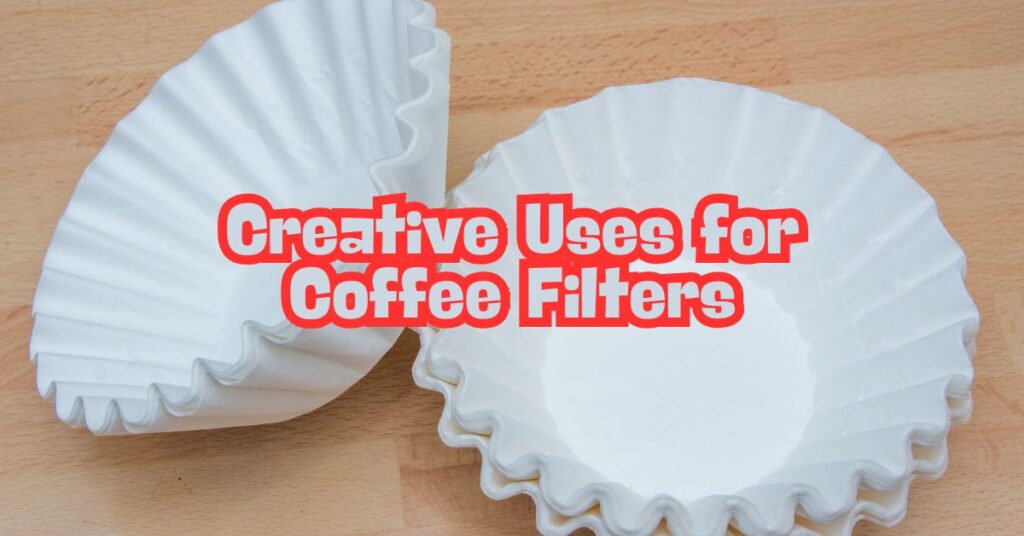
25 Creative Uses for Coffee Filters Around the House
Most people think coffee filters only belong in the coffee maker, but these inexpensive household staples are surprisingly versatile. If you're looking for frugal living hacks, you'll love these creative uses for coffee filters. Best of all, you can pick up a large package at your local dollar store for just a few dollars!
1. Cover Food in the Microwave
Use a coffee filter as a splatter guard when heating food in the microwave. It helps keep your microwave clean without the need for plastic wrap.
2. Clean Windows and Mirrors
Because coffee filters are lint-free, they're perfect for cleaning windows, mirrors, and chrome surfaces without leaving streaks behind.
3. Protect Fine China
Place a coffee filter between dishes when storing fine china to help prevent scratches and chips.
4. Remove Broken Cork from Wine
If a cork crumbles into your wine bottle, simply pour the wine through a coffee filter to catch the pieces.
5. Prevent Rust in Cast-Iron Pans
Place a coffee filter inside your cast-iron skillet before storing it. It absorbs moisture and helps prevent rust.
6. Apply Shoe Polish
A balled-up coffee filter works well for applying and buffing shoe polish.
7. Reuse Frying Oil
Strain used cooking oil through a coffee filter to remove food particles before storing it for future use.
8. Weigh Chopped Ingredients
Place chopped vegetables, fruit, or herbs in a coffee filter when weighing ingredients on a kitchen scale.
9. Hold Tacos and Other Messy Foods
Coffee filters make handy holders for tacos, sandwiches, and other foods that tend to drip or crumble.
10. Keep Soil in Plant Pots
Line the bottom of flower pots with a coffee filter to prevent soil from escaping through drainage holes.
11. Catch Popsicle Drips
Poke a hole through the center of a coffee filter and slide it onto a Popsicle stick to catch sticky drips.
12. DIY Waxing Strips
In a pinch, coffee filters can be used as an alternative to waxing strips for small areas.
13. Absorb Grease from Fried Foods
Place fried foods like bacon, French fries, or chicken fingers on coffee filters to soak up excess grease.
14. Stop Razor Nicks from Bleeding
A small piece of coffee filter can help stop minor shaving cuts from bleeding.
15. Use as Sewing Backing
Coffee filters work well as temporary backing when embroidering or appliquéing delicate fabrics.
16. Freshen Shoes and Closets
Fill a coffee filter with baking soda, tie it closed, and place it in shoes or closets to help absorb odors.
17. Strain Soup Stock
Use coffee filters to strain homemade stock or bundle herbs for soups and stews.
18. Create a Spill-Free Funnel
Place a coffee filter inside a funnel when adding fluids to your vehicle to help catch debris and reduce spills.
19. Use as a Spoon Rest
Set cooking utensils on a coffee filter while preparing meals, then simply throw it away when finished.
20. Hold Baking Ingredients
Use coffee filters to hold pre-measured baking ingredients, chopped vegetables, or fruit while cooking.
21. Protect Christmas Ornaments
Wrap delicate ornaments in coffee filters before storing them away for the season.
22. Remove Nail Polish
Out of cotton balls? Coffee filters work surprisingly well for removing nail polish.
23. Sprout Seeds
Dampen a coffee filter, place seeds inside, fold it up, and seal it in a plastic bag until the seeds begin to sprout.
24. Press Flowers
Use coffee filters as blotting paper when pressing flowers. Place flowers between two filters and weigh them down with a heavy book.
25. Make Disposable Snack Bowls
Coffee filters are perfect for serving popcorn, chips, crackers, and other snacks at parties or movie nights. Or you could even use them to line these food baskets!
And of course, coffee filters still make great coffee! But as you can see, there are plenty of creative uses for coffee filters beyond your morning brew. From cleaning and organizing to gardening and cooking, this inexpensive item can be used in countless practical ways around the house while helping you save money at the same time.
The following is an article by Mr.CBB who is the voice behind Canadian Budget Binder a blog about Personal Finance, Relationships, Recipes, the famous Grocery Game Challenge and more. Join him on Facebook, x.com and Pinterest.
How to start a budget
When we first started to use a budget we really didn’t want to commit to such a boring task. Like many, we were used to tracking expenses in our head and checking in on the bank account to see how much money we had left. Looking back it was probably the worst thing we did for our personal finances and I can’t believe we did that.
Budgeting can be overwhelming at first but it doesn’t have to be if you plan it out correctly. No matter what your situation or money mistakes are, or were, a budget is necessary. I typically equate this to a business that has a yearly budget so they know what they can and can’t do with the company money. How is a company supposed to sustain themselves if they have no budget? That’s right; they probably would go bankrupt or close shop. Your household budget is just as important as a business.
One of the first things I did when I started to blog at Canadian Budget Binder was put together a 10 step budgeting series. Many people wanted to know how we were saving so much money. It’s not really about how much money we were saving. It's really about how we got to the point where we were actually saving money.
The easy answer was: with a budget.
That’s what I’m going to show you today. The steps we took to get from Step 1 to Step 9 and eventually to complete debt freedom. We own our vehicles, have no consumer debt and will be paying our mortgage in full this year. All of this and still over 30 years until retirement (of course we may plan to retire early).
The magic happened just from paying attention to our personal finances and spending less than we earn. It also helped that growing up we were savers. But the bulk of our money came just in the past 10 years. Not everyone wants to lead a frugal life, but it has it’s pros and cons and for us, well worth it.
The first step with budgeting
One of the first steps I talk about in my budgeting series is simply “gathering all the information”. You can’t sit in front of an empty budget spreadsheet with no numbers. You need to get all the numbers from your bank accounts, credit cards, lines of credits, bills, whoever you owe, how much you owe, interest rates, due dates, etc. It’s like getting ready to bake a cake. If you don’t have all the ingredients for your recipe how will your cake grow? It won’t. It will sink because all the ingredients (in this case the numbers) are not available.
What is Net and Gross Income?
Net Income in simple terms, is the amount of money that you get after all your taxes are paid. So for those that get direct deposit from your employer that is your net. If you are self employed or no taxes are taken off that is NOT your Net Income, that is your Gross Income.
You can read in more detail each step of our budget and why we did what we did. The budget spreadsheet I designed for our family changed numerous times over the course of the year. A budget will always change and so should yours. You should never just set it and forget it.
There are a myriad of free budget spreadsheets and free budget programs to track expenses on the internet if you do a Google search. If you want to have a budget binder so you can manually track your budget and expenses, then do it. As long as you know exactly what is going in and what is going out.
Some people chose to use a cash system and put it in envelopes or jars. If that’s what it will take to motivate you to start budgeting, then do it. You will see over time how easy it becomes and you will continue to challenge yourself further each month. We no longer carry cash we use credit cards for rewards. I don’t recommend this unless you are at a stage where you can pay your credit card in full every month.
9 Steps for Creating a Budget
Step 1 - Gather all the information - As mentioned above, the first step in designing a budget is to gather all the information. You will need to get all the numbers from your bank accounts, credit cards, lines of credits, bills, whoever you owe, how much you owe, interest rates, due dates, etc.
Step 2 - Categories - Every person/family is different so you need to decide what categories will suit your budget. You may need daycare while another family does not, for example.
Step 3 - Tracking Receipts - This is so important and I can’t stress that enough if you want to know where you are spending your hard earned dollars. Have a plan in place so you save your receipts and input them into your tracking spreadsheet.
Step 4 - Note Taking - Always make notes so you can backtrack information. Know where the purchase was made, how you paid for it, dates, etc.
Step 5 - Organization - Keep organized and keep your workstation free from distractions.
Step 6 - Who Does What and When - If you are in a relationship, budgeting doesn’t have to be a one person job. In fact my wife and I both share the budget duties as a team. If in the event something should happen to one of us, we both need to know what is happening with our personal finances. Don’t put the burden on one person.
Step 7 - Balancing Our Budget - Your budget has to balance each month. If you can’t balance your budget you have to do one of 2 things: Make more money or spend less than you earn.
Step 8 - Reading Our Bills - I can’t tell you enough to make sure you always read your bills and receipts when you are shopping. There have been times when I found errors on my communications bill where they charged us for services we did not get. You may also notice the wrong price on your grocery bill. This could result in a scanning code of practice where you get the item free up to $10, if the store participates. Most importantly, you catch an error where you were paying more than you should have. So many people get burned by not reading.
Step 9 - Projected Expenses - This is a big category for us. We save close to $15k a year in it. What is it? In short, it’s an account where we keep money for items that we know we will have to pay for at some point during the year that our regular budget won’t be able to handle. We were always taking money from our emergency savings for these items which was wrong. A sticker for our vehicle once a year is not an emergency but should be saved all year long so the money is ready to be used when it comes due. We save $7.50 a month in a separate account for 12 months to pay for the sticker. $90/12 months. This has been the biggest stress reliever for us and one of the biggest reasons people fall off their budget. If you don’t factor in the small stuff, you may not have the money to pay for it. You should budget it in and save it.
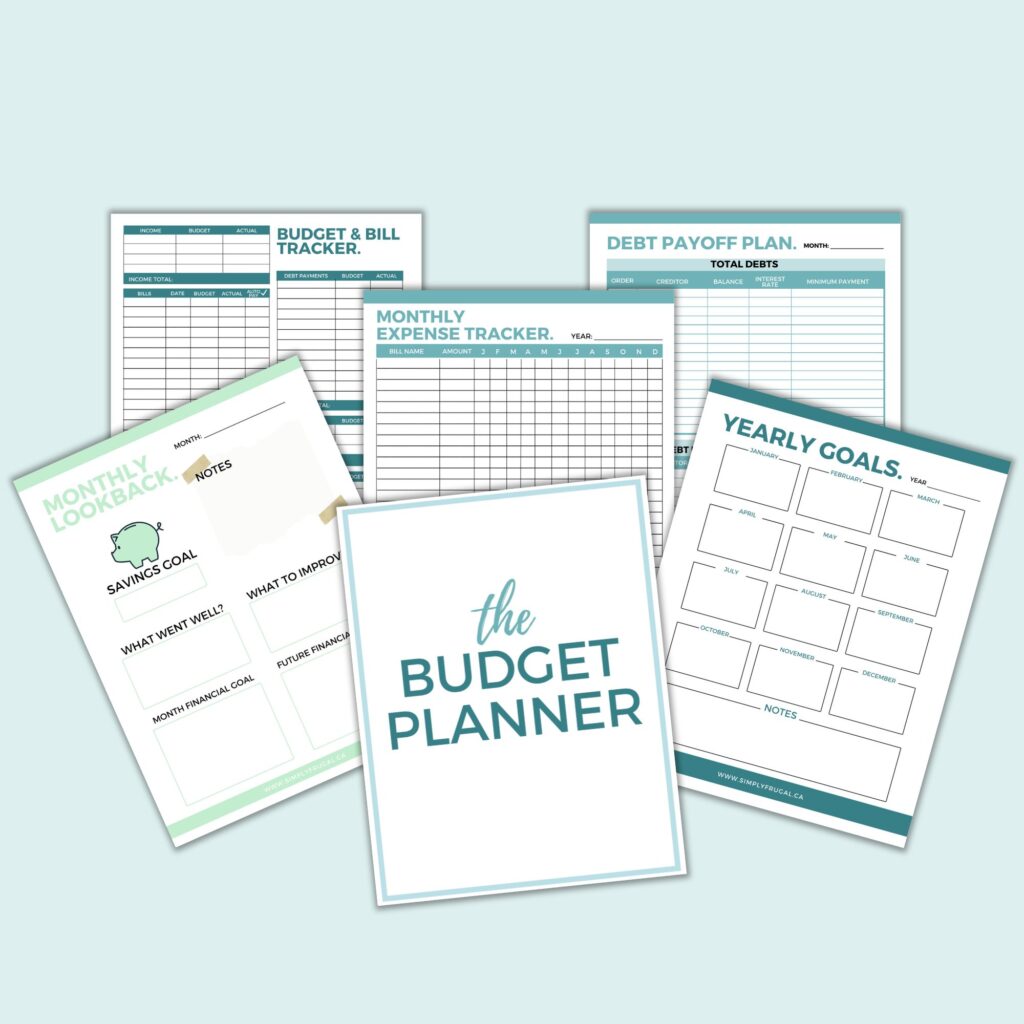
Another thing that can really help when you're overwhelmed or paralyzed by the thought of budgeting? Create a plan to stay focused! Check out this thoughtfully made BUDGET PLANNER – pages to help you achieve financial goals, track your bills and spending, discover what you did well, what you need to improve on and so much more!
I encourage you to take a deep breath if you are wanting to budget but are feeling stuck in getting started. Start living instead of existing and take back control of your personal finances. A budget is just one step in the process in working towards debt freedom, but one that may allow you the opportunity to drop that debt and get back in the game. Time to look at a budget as part of a lifestyle rather than a chore.
Mr.CBB is the voice behind Canadian Budget Binder a blog about Personal Finance, Relationships, Recipes, the famous Grocery Game Challenge and more. Join him on Facebook, x.com and Pinterest.