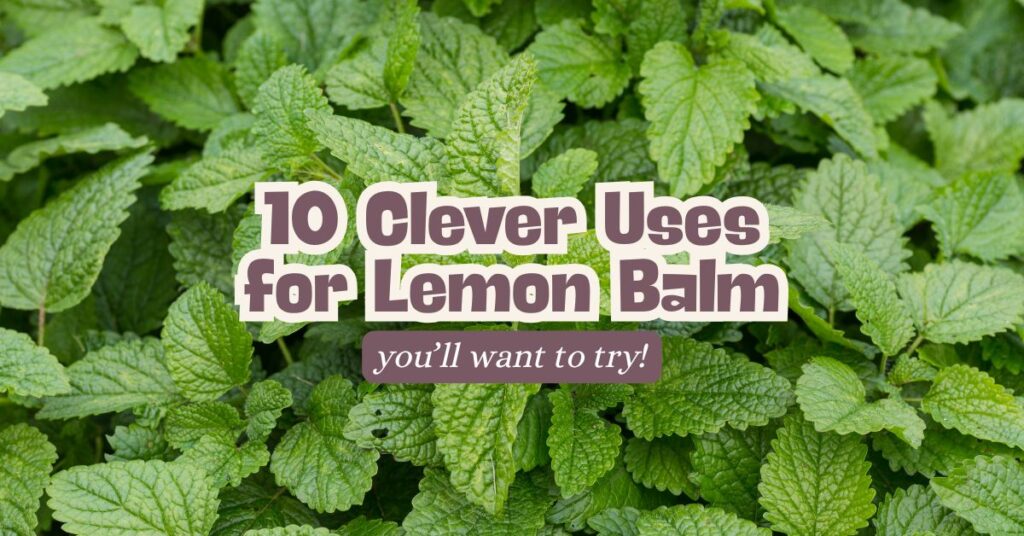
If you've ever planted lemon balm, you already know that it doesn't exactly need much encouragement to grow. This fragrant perennial herb can quickly become thick, bushy, and very abundant.
The good news? There are plenty of ways to put all those fresh leaves to use.
Lemon balm has a lovely lemony scent and a mild citrus flavor that works really well in drinks, desserts, fruit, homemade infusions, and even your summer bath. It's also an easy herb to grow, making it a great addition to a backyard herb garden.
If you're wondering what to do with lemon balm, here are 10 simple and clever uses for lemon balm:
1. Add It to Your Outdoor Space
Lemon balm is often grown for its lemony fragrance, and having it near your patio or outdoor seating area can be a lovely way to enjoy the scent while you're outside. It may also be useful for warding off mosquitos!
I like growing lemon balm in a planter near our patio table where I can easily snip a few leaves whenever I want to use them.
Tip: Lemon balm can spread quickly in the garden, so growing it in a container can make it much easier to keep under control.
2. Make Lemon Balm Simple Syrup
One of my favorite summer uses for lemon balm is making a batch of homemade simple syrup.
You'll need:
1 cup packed fresh lemon balm leaves
1 cup water
1 cup sugar
How to make it:
Combine the lemon balm, water, and sugar in a small saucepan.
Bring the mixture to a boil and cook for about 1 minute, stirring until the sugar dissolves.
Remove from the heat and cover.
Let it steep for about 30 minutes.
Strain out the lemon balm leaves.
Store the syrup in the refrigerator.
Use your lemon balm simple syrup to sweeten lemonade, iced tea, sparkling water, or homemade summer drinks. You could even use it to add a little extra flavor to cocktails or mocktails.
3. Make Lemon Balm Tea
Fresh or dried lemon balm leaves can be used to make a simple herbal tea.
Just add a handful of fresh leaves or a small amount of dried lemon balm to a mug or teapot, cover with hot water, and let it steep for several minutes. Strain and enjoy warm.
Lemon balm has a naturally mild, lemony flavor, so you can enjoy it on its own or combine it with other herbs such as mint.
4. Make Lemon Balm Infused Honey
Lemon balm and honey make a delicious combination.
To make infused honey, loosely fill a clean jar about halfway with fresh lemon balm leaves. Pour honey over the leaves until they're completely covered.
Let the mixture infuse for several weeks, then strain out the leaves.
Use the finished honey to sweeten tea, drizzle over yogurt, or add to desserts.
Important: Never give honey to babies under one year old.
5. Add It to Desserts and Fruit Salads
Lemon balm's subtle citrus flavor makes it a fun addition to summer desserts.
Finely chop a few fresh leaves and add them to:
Fruit salads
Yogurt
Parfaits
Fruit crisps
Pies
Homemade popsicles
You don't need much. A few chopped leaves can add a surprisingly nice lemony flavor.
6. Add It to Iced Tea
Summer and iced tea go together perfectly, and lemon balm is an easy way to switch things up.
Add a handful of fresh lemon balm leaves to your favorite iced tea while it steeps. You can also combine it with fresh mint for an extra refreshing flavor.
If plain water gets a little boring, try adding fresh lemon balm.
Add a few washed lemon balm leaves to a pitcher of water along with your favorite fruit. Lemon, lime, strawberries, cucumber, peaches, and berries are all great options.
Let everything chill in the refrigerator for a few hours so the flavors have time to mingle.
It's a simple way to make everyday water feel a little more special.
8. Use It in a Homemade Bath
Want to make your next bath feel a little more relaxing and spa-like?
Add fresh lemon balm leaves to the water for a lovely herbal scent.
You can sprinkle the leaves directly into the tub, or place them in a small cloth bag or reusable tea infuser and hang it near the faucet so the warm water runs through the leaves as the tub fills.
9. Freeze Lemon Balm for Later
If your lemon balm plant is producing more leaves than you can use, don't let them go to waste!
Wash and dry the leaves, then chop them and freeze them in small portions. You can freeze them in ice cube trays with a little water and then transfer the frozen cubes to a freezer bag.
Drop a cube into iced tea, lemonade, sparkling water, or other summer drinks whenever you need a little lemony flavor.
Freezing is a great way to preserve some of that summer herb garden abundance.
10. Make a Lemon Balm Sugar
Here's another easy way to preserve the flavor of fresh lemon balm.
Place fresh lemon balm leaves and granulated sugar in a food processor and pulse until the leaves are finely chopped and incorporated into the sugar.
Spread the mixture onto a baking sheet and allow it to dry completely. Once dry, store it in an airtight container.
Use your lemon balm sugar to sweeten tea, sprinkle over fruit, or add a little citrusy sweetness to baking.
What to Do With All That Lemon Balm
One of the best things about growing your own herbs is that you don't need to use them all at once. When your lemon balm starts taking over the garden, harvest some for tea, freeze some for later, and use the rest to experiment with homemade drinks and desserts.
It's inexpensive, easy to grow, and surprisingly versatile. Which is exactly the kind of plant I love having in my garden!
If you grow lemon balm, what is your favourite way to use it? I'd love to hear your ideas in the comments!
Container Gardening for Beginners: How to Start Container Gardening
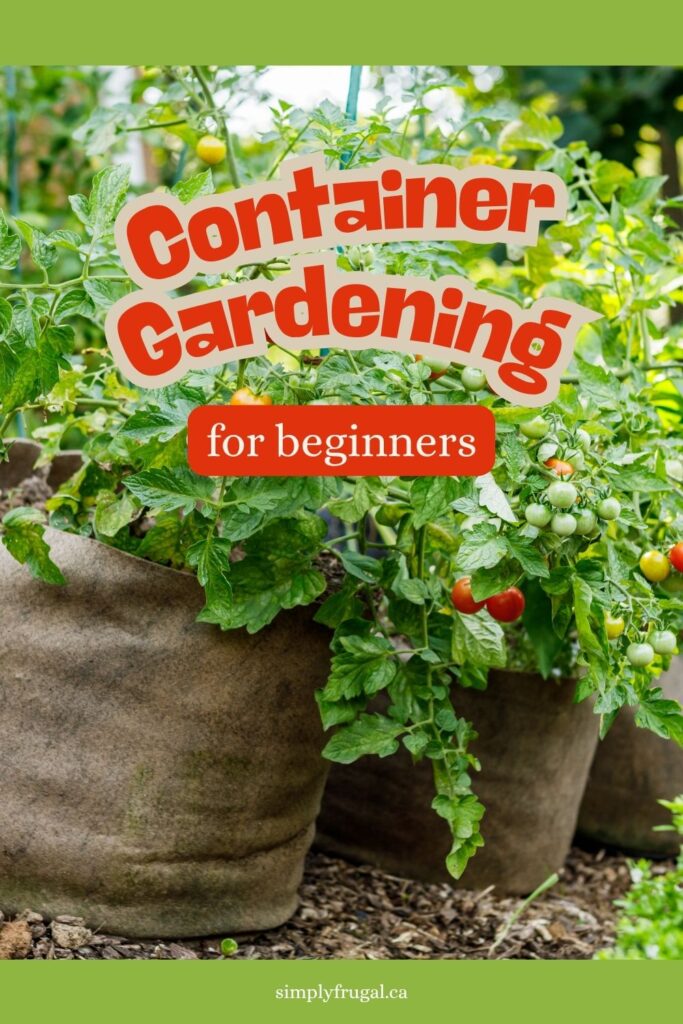
Not everyone has access to a large backyard or plantable land, which is why container gardening for beginners is such a great option. Growing fruits, vegetables, and herbs in pots allows you to enjoy fresh, healthy produce all summer long. Even if you only have a patio, balcony, or small outdoor space!
For where I’m currently at in life, container gardening has been the perfect solution. It’s much more manageable than a traditional garden because there’s very little weeding involved and no need to till up the ground. Really, the biggest maintenance task is simply keeping everything watered regularly!
Not only is container gardening convenient, but it can also help save money, which is especially important with grocery prices constantly increasing. Even growing a few vegetables at home can help stretch your food budget during the summer months.
While I’m definitely not an expert, I’ve picked up a few helpful tips along the way that can make container gardening for beginners feel a lot less overwhelming.
The first year I tried container gardening, I got a little too ambitious. Instead of starting with just a few plants, I bought nearly every variety labeled for small spaces. At first I was excited, but as the summer went on, it became harder to keep up with everything and many of my plants ended up neglected.
Since then, I’ve learned that one of the best container gardening tips is to start small. Think honestly about how much time and energy you’ll have to care for your plants throughout the season. Starting with just a few containers is a great way to build confidence and enjoy the process without feeling overwhelmed.
Buy your seeds and plants
One of the great things about container gardening for beginners is that it’s become incredibly popular, which means there are now a lot of seed and plant varieties specifically designed for compact spaces.
I’ve found special “Urban Garden Collection” seeds that are meant for pots and small gardens, and there are plenty of compact vegetable varieties available at garden centres as well. Even Amazon Canada carries seeds now, making it easier than ever to get started.
If you’re unsure what grows best in pots, vegetables like lettuce, herbs, radishes, peppers, tomatoes, peas, and beans are all popular choices for container gardens. For a more in depth look at the types of plants that do best in containers, see my post The Best Vegetables for Container Gardening.
Get the right pots
Starting a container garden doesn’t have to be expensive. In fact, many of my containers were free! I used large black 5-gallon buckets that trees and shrubs originally came in. Garden centres and greenhouses often sell used containers cheaply, and you can also check places like Facebook Marketplace for affordable options.
Grow bags are another excellent option for beginner gardeners because they’re lightweight, inexpensive, and easy to store during the off-season.
When choosing containers, make sure they’re large enough for the plants you want to grow. Larger vegetables like tomatoes, peppers, potatoes, peas, and beans need deeper pots with lots of room for roots. Smaller plants like lettuce, herbs, onions, and radishes can grow well in shallower containers.
Find the right light
Sunlight is one of the most important factors in successful container gardening. Most vegetables need several hours of direct sunlight each day in order to thrive.
I keep most of my containers on our back patio where they receive lots of afternoon sun. However, I place my lettuce containers in a cooler area that only gets morning sun because lettuce tends to struggle in extreme heat.
Always check your seed packets or plant labels to see how much sunlight each plant prefers.
Use good potting soil
One of the biggest mistakes beginners make is using regular garden soil in containers. For healthy plants, it’s important to use a good quality potting mix instead. Potting soil is specially designed to provide proper drainage and airflow, which helps prevent root rot and other problems.
If you’re filling large containers, the cost of soil can add up quickly. To save money and reduce the weight of heavy pots, try filling the bottom portion with lightweight materials like crushed pop cans, empty milk jugs, packing peanuts, or old plastic nursery pots before adding soil on top.
Plant, Water, Wait
Now comes the fun part. Planting! Follow the directions on your seed packets or plant labels for spacing and planting depth. Once everything is planted, water your containers thoroughly.
For tiny seeds like lettuce, using a spray bottle or gentle watering can help prevent seeds from washing away.
After that, all that’s left to do is keep watering regularly, enjoy watching your plants grow, and wait for harvest time!
I hope these simple tips for container gardening for beginners help you feel more confident about starting your own garden this year! Have you ever tried growing vegetables in containers? What would you love to plant first?
Growing up, my mom would plant a big vegetable garden every year so the idea of growing my own food has always been appealing. Due to our lack of yard space, I have tried a bit of container gardening in the past, but this year, I intend on going "all out" and documenting my progress!
Although I won't be able to grow enough vegetables to last all summer long, it's still nice to know exactly where they come from and to have the satisfaction of eating what I grow. Nothing beats watching your hard work come to fruition!
When it comes to container gardening, not all fruits and vegetables will successfully grow in containers. From my experience and online research, here are the best vegetables for container gardening.
Lettuce
Spinach
Carrots
Radishes
Beans
Peas
Tomatoes
Peppers
Onions
Eggplant
Herbs
Strawberries
Potatoes
When you're purchasing your seeds or starter plants, you'll want to look for varieties that say they're good for containers. I always have great success with patio tomatoes and Spring Mix type lettuce.
Will you be planting a container garden this year? What have you had success with in the past?
It’s that time of year again when the grass is green, flowers are nearly blooming and people are starting to think about or prepare their gardens. It can be tough for some who wish to plant, but feel they don’t have the room or ability to plant anything where they currently live.
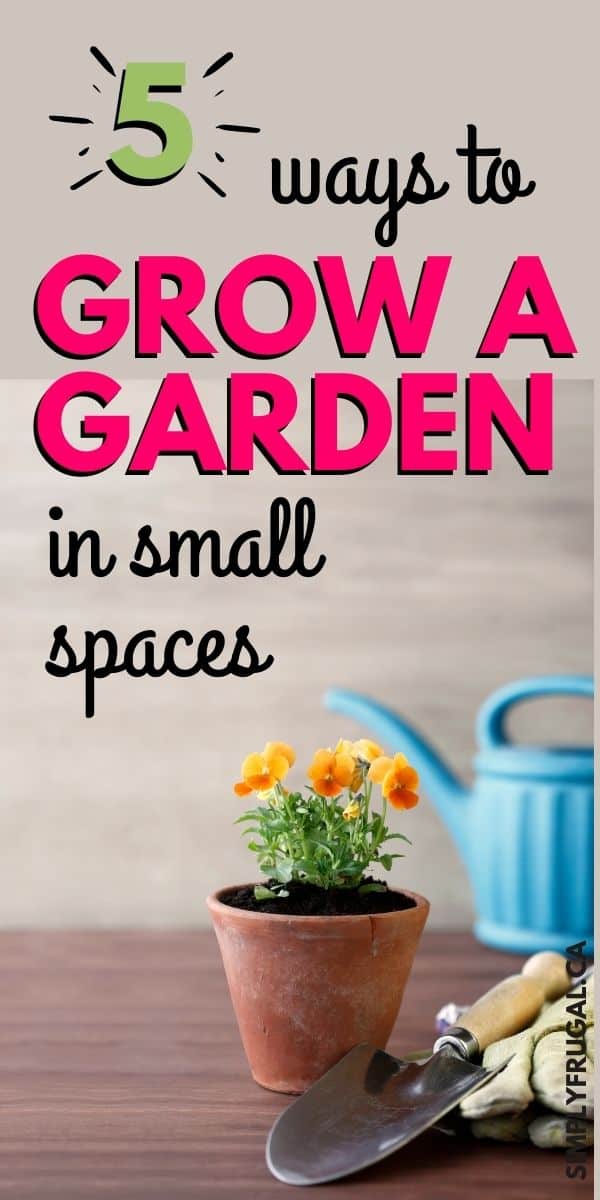
Here are 5 Ways To Grow A Garden In Small Spaces that will help anyone, no matter the size of their living space or yard, to be able to grow some type of garden that will supplement their groceries as well as bring the joy of watching a garden grow.
Create Window Boxes
Using ready made window boxes is a great way to go when trying to garden in tight spaces. There are many to choose from or you can create your own with a long narrow basket lined with plastic. (Make sure to poke a few small holes in the plastic to allow for drainage.) Windows are great for the sunlight plants need while using space that is otherwise typically empty in your home.
Container Gardens
Whether you use traditional pots or the empty containers and baskets you have around the house container gardens are an excellent way to grow vegetables in a small space.
Herbs and tall plants do best in container gardens as they can grow up instead of out. Tomatoes, Peas, Green Beans and Corn are all great for containers, just make sure you also have plenty of room for them to grow upward and proper support to hold them up.
Hanging baskets or a great way to grow vegetables that tend to create longer vines. Cucumbers, Squash and Zucchini grow nicely in hanging baskets as long as you don’t crowd too many in one basket.
Repurpose regular baskets with some plastic sheeting in the bottom and some small chain woven through the sides to create a “hanger”. Make sure to invest in sturdy material so you don’t wake up to a basket of vegetables and soil all over your floor.
Turn a Flower Bed into a Vegetable Garden
Sure we love the tulips, lilies and roses around the front of the house, but would it be better for you to use that space for vegetables instead? You can also leave the bulk of your flowers in place and grow only a few vegetables in between. Weeding back what you currently grow as flowers and filling in empty space with herbs, lettuce, cucumber, squash and more will help to create food and beauty at the same time.
Use a Trellis on the Side of Your House
Many vegetables actually grow on vines that will easily trail upwards on a trellisif trained. Planting in the ground beneath or in a sufficient container beneath a trellis and training the vines for peas, green beans, and more to grow up the trellis is a great way to use otherwise wasted space. It also creates a bright visual attraction for your home.
Just because you live in a small space doesn’t mean you can’t easily grow a garden to help supplement your grocery budget.
These 5 ways to grow a garden in small spaces are just the beginning of many ideas available for creating small gardens in any space. Thinking outside the box is the best way to go when trying to create great gardens in a small home or small yard.
A beautiful herb garden is a great addition to your home but can be difficult if pests find your garden a good home to live in. With a little planning and maintenance, you can protect your garden and help it thrive. Here are 5 tips to help you out.
Use Strong Smelling Herbs
Take advantage of plants that repel pests for your herb garden. Planting pungent herbs like mints along with other herbs will help reduce the number of pests you have to deal with. Herbs like catnip are great for repelling ants, weevils, squash bugs, aphids, and Beatles.
Use Flowering Herbs
A great way to deal with pests in your herb garden is to plant herbs that will attract beneficial insects. Flowering herbs like lavender, basil and dill are a great way to attract butterflies and bees that will help pollinate your garden and make your plants stronger.
Use a Bug House
Place a bug house in your herb garden to attract insects like parasitic wasps that will deal with leafminers and hornworms and ladybugs that will help protect your garden from aphids. A bug house is an easy way to encourage beneficial bugs to come to your garden and stay to protect it from pests.
Use Salt
Snails and slugs can be a common issue in herb gardens. A line of salt along the garden bed edging is a great way to keep them out of your garden. Slugs and snails will back up and go the other way if they touch the salt instead of venturing into your garden beds and pots.
Use a Soap Solution
If aphids take over your garden you can save your herbs by spraying them with a safe and effective soap solution. A teaspoon of dawn dish detergent or liquid Castile soap in a spray bottle with water can help kill aphids when they take over your herb garden. Spray this solution on your plants getting the undersides of leaves in the evening so it has plenty of time to dry before the sun beats down on your plants.
With these tips, make your herb garden a great addition to your home garden. Besides fresh herbs are the best for cooking with!